Container Dwell Time: Why Boxes Sit in the Yard and How Terminals Bring It Down
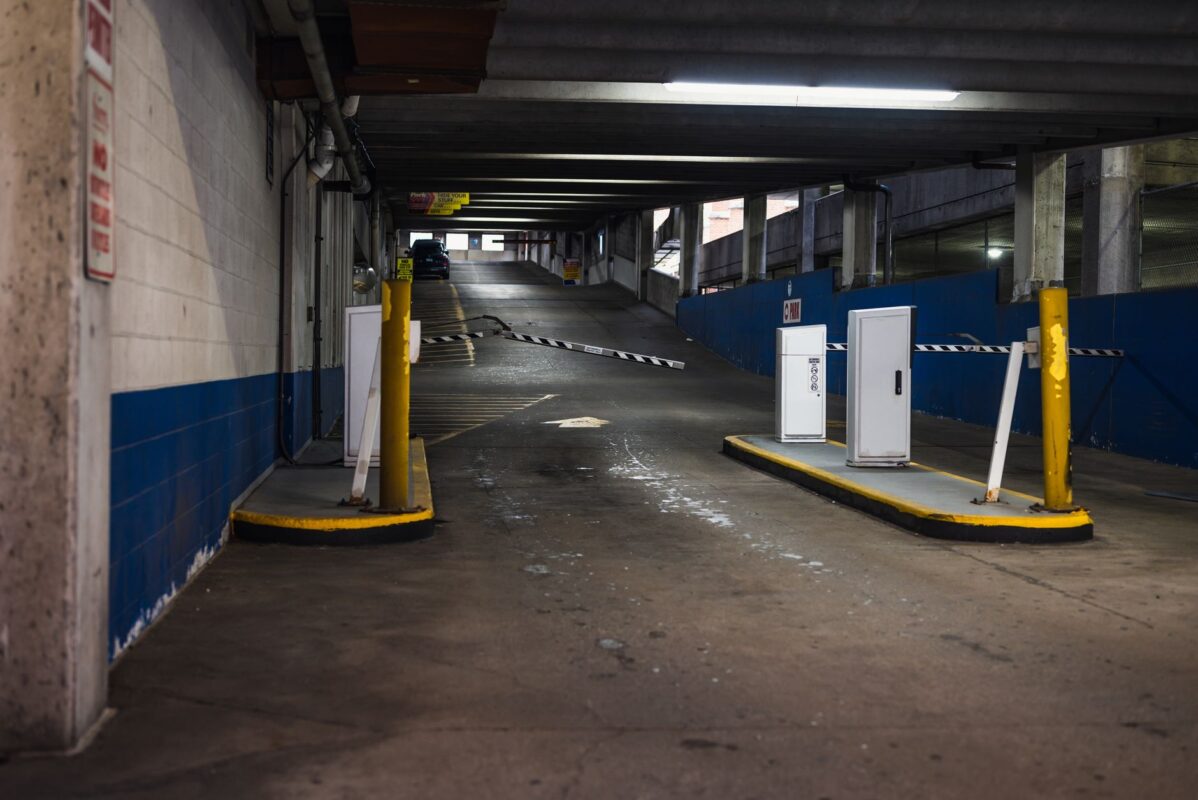
Container dwell time is the number of days a box stays in a terminal yard before it leaves by truck, train or ship. It sounds like a simple number, but it decides how much capacity a terminal really has. A yard full of boxes that should have left days ago forces more shuffle moves, slows every pickup and pushes the terminal towards congestion.
Why containers stay longer than they should
- Clearance delays: customs or shipping line release takes longer than planned.
- Trucks that cannot get in: long gate queues mean the truck meant to collect a box arrives late or gives up.
- Lost time in the yard: if container positions are not updated in real time, equipment operators search for boxes.
- Poor planning information: planners see the problem only after the stacks are already full.
What brings dwell time down
Most of the fixes are on the land side. Faster, error-free gate transactions with OCR and ANPR mean collecting trucks get in and out sooner. Live yard visibility through a yard management system lets planners send each truck to the right block at the right time. Truck appointments spread arrivals so the gate and yard are not overwhelmed at the same hour.
Lower dwell time frees yard space, and a freer yard means fewer shuffle moves and quicker pickups for everyone.
Dwell time is one of several numbers terminal managers watch. Our full guide to container terminal operations explains the others, from crane productivity to truck turnaround time, and where automation helps most.


Comments
Post a Comment