Detention Charges and Truck Turnaround Time: The Cost Nobody Budgets For
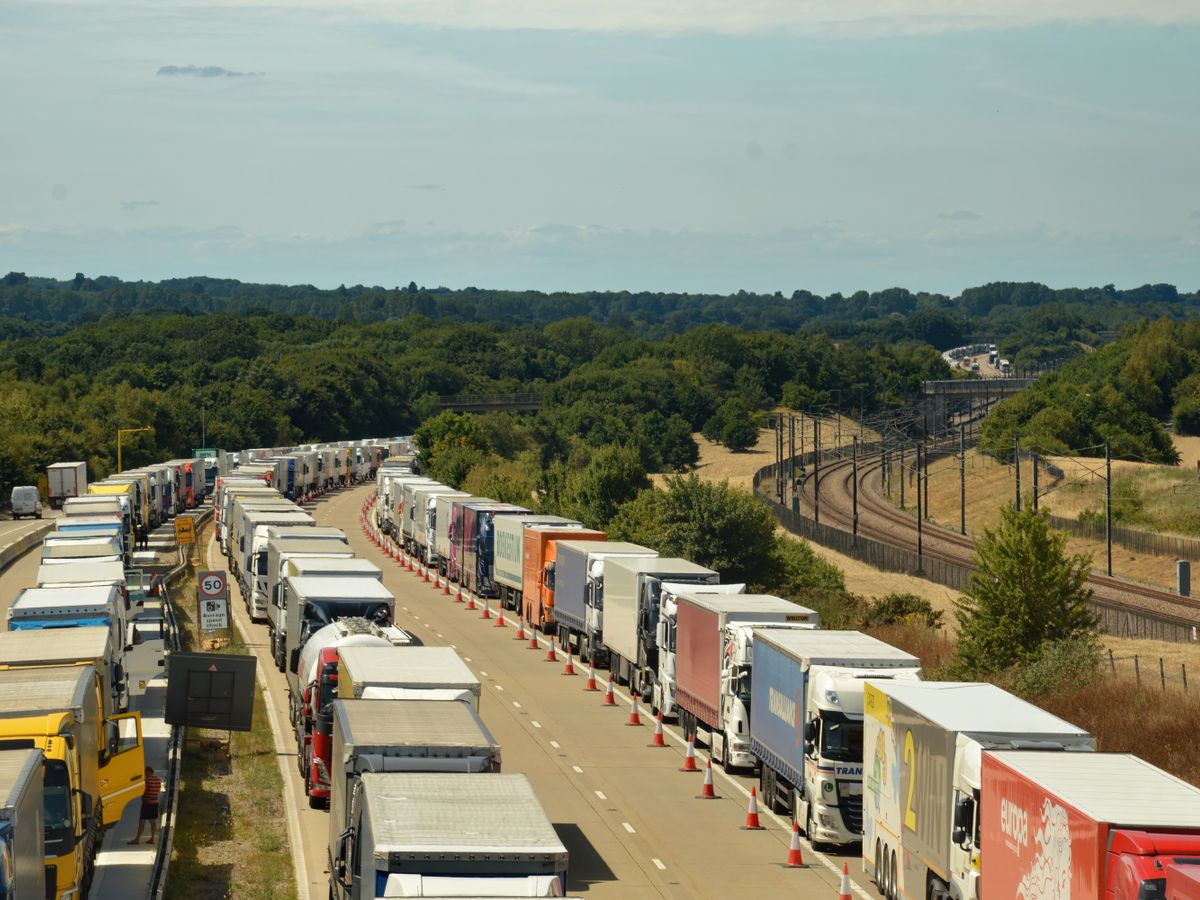
Ask a transporter why their rates to one plant are higher than to another plant down the road, and the answer is often the same: waiting time. Long truck turnaround time (TAT) turns into detention charges, and detention quietly becomes part of your freight cost.
How waiting becomes cost
A truck that spends five hours at your site instead of two cannot take its next load on time. Transporters either charge detention for the extra hours or build the risk into their base rate. Either way, you pay for the hours your trucks spend queuing.
The less visible costs
- Fewer vehicles when you need them. Sites with a reputation for slow turnaround find it harder to get trucks at short notice.
- Overtime. Security, weighbridge and dispatch staff stay late to clear the evening queue.
- Disputes. Without accurate time stamps, you cannot check a detention claim, so you usually just pay it.
Where to start
Measure TAT stage by stage for a week. Then target the biggest waiting stage: gate checks, weighbridge queues or yard waiting. Automating the gate, the weighbridge and bay calling usually removes most of the idle time. Suraj Informatics reports around a 40% reduction in vehicle turnaround time at sites using its GATIVRA platform, and the automatic time stamps also settle detention disputes with facts.
Read the complete guide, including the TAT formula and seven ways to reduce it: TAT in Logistics: What Truck Turnaround Time Means and How to Cut It.

Comments
Post a Comment