7 Signs Your Inland Container Depot Gate Is Slowing Down Every Train
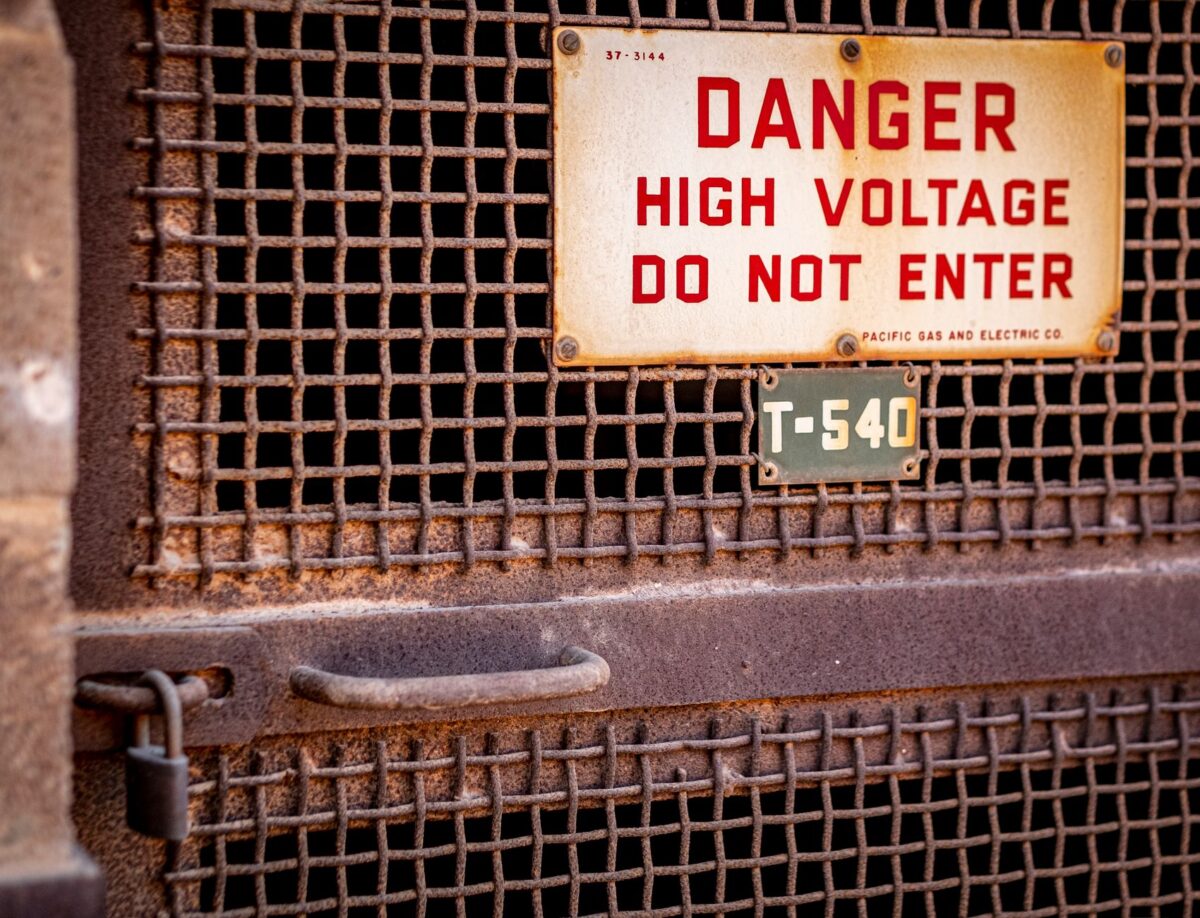
At an inland container depot, the train gets the attention, but the gate decides the pace. If trucks cannot get in and out quickly, export boxes miss their rake and import boxes sit in the yard. Here are seven signs that your depot gate has become the bottleneck.
1. Queues form every time a train is due
If the road outside the depot fills up before every rake, the gate cannot handle peak arrivals.
2. Clerks type container and vehicle numbers by hand
Manual entry takes minutes per truck and creates typing errors that send boxes to the wrong stack or train.
3. The weighbridge has its own queue
When every export truck must be weighed by an operator, weighment becomes a second gate inside the gate.
4. Damage disputes have no photo evidence
Without time-stamped gate images, nobody can prove whether a dent was there on arrival.
5. Trucks wait at the stack for a reach stacker
If the yard does not know which truck is coming for which box, equipment is not ready when the truck arrives.
6. Nobody knows the average truck turnaround time
If you cannot say how long a truck spends inside the depot, stage by stage, you cannot improve it.
7. Gate, yard and rail data live in different systems
Separate records mean problems are seen only after the queue has already formed.
What fixes it
OCR and ANPR cameras at the gate, an unmanned weighbridge, gate damage inspection and live yard visibility remove most of these delays, especially when they feed one dashboard. Suraj Informatics' gate automation is built for this kind of depot.
To see how the whole depot fits together, from customs and stuffing to rail loading, read our full guide to the inland container depot.

Comments
Post a Comment